Aging & Alcohol: Knowing Your Limits as You Age
Alcohol affects the body differently over time. Understanding those changes can help older adults stay healthy and safe.
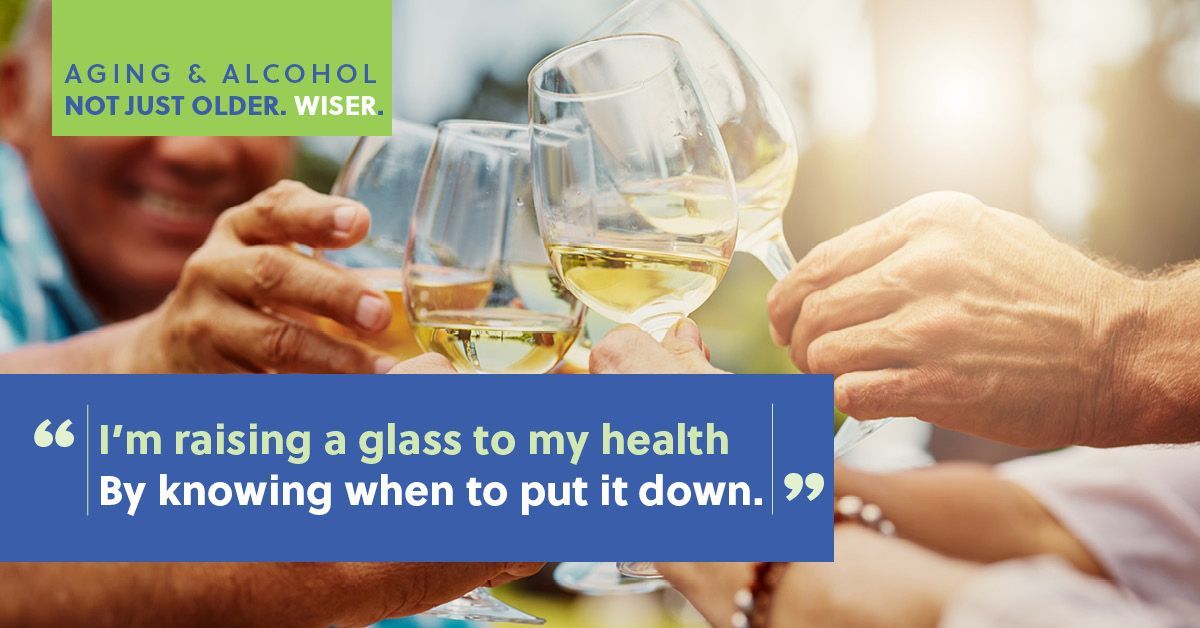
As we grow older, our bodies change in ways that can affect how we process alcohol. What once felt like a normal drink may have a stronger effect today. For many older adults, even small amounts of alcohol can lead to dizziness, balance problems, sleep issues, or interactions with medications.
The goal isn’t to tell people they can never enjoy a drink again. Instead, it’s about understanding how aging affects the body and making informed choices that protect health and independence.
Why Alcohol Affects Older Adults Differently
As we age, the body becomes more sensitive to alcohol. Changes in metabolism, body composition, and organ function can make alcohol stay in the system longer. This means the same amount of alcohol can have a stronger effect than it did years ago.
Alcohol may also worsen existing health conditions such as:
- High blood pressure
- Diabetes
- Heart disease
- Balance or fall risk
For people managing chronic health conditions, even moderate alcohol use can create complications.
Alcohol and Medications
One of the biggest concerns for older adults is the interaction between alcohol and medications. Many common prescriptions—including medications for sleep, anxiety, pain, and blood pressure—can interact with alcohol in ways that increase side effects.
Mixing alcohol with medications can lead to:
- Increased drowsiness
- Memory problems
- Slower reaction times
- Higher risk of falls or injury
If you take medications regularly, it’s important to talk with your doctor or pharmacist about whether alcohol is safe for you.
What Is Considered Moderate Drinking?
Health experts often recommend that adults over age 60 limit alcohol intake to no more than one drink per day. In some cases—especially when medications or health conditions are involved—less may be safer.
Paying attention to how your body responds is key. If alcohol causes dizziness, sleep problems, or changes in mood, it may be time to reduce or avoid it.
Simple Tips for Safer Choices
If you do choose to drink, a few simple habits can reduce risks:
- Eat before drinking
- Drink water between alcoholic beverages
- Avoid mixing alcohol with medications unless approved by a doctor
- Arrange transportation instead of driving
Small steps like these can help people stay safe while still enjoying social moments.
Getting Support
If you’re concerned about alcohol use—for yourself or for someone you care about—help is available.
The VT Helplink connects Vermonters with confidential support and resources.
Call
802-565-LINK
or visit
vthelplink.org
Understanding how alcohol affects the body as we age is part of staying healthy and independent. Knowing your limits isn’t about restriction—it’s about making choices that support well-being.